
 9560025568
 drbhavanasingla@gmail.com

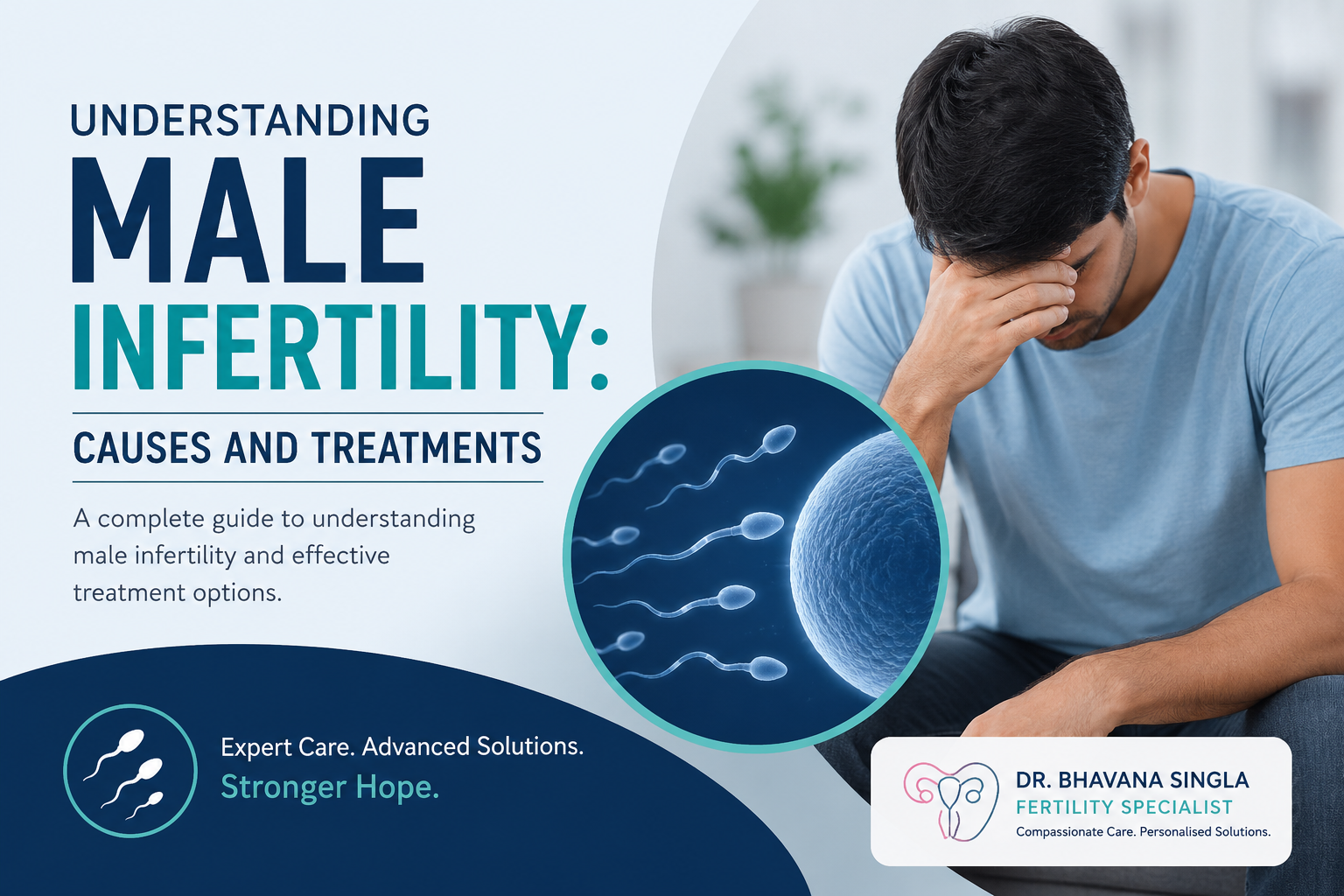
Male infertility refers to a man’s inability to contribute to conception due to problems related to sperm production, sperm function, or sperm delivery. Fortunately, advances in reproductive medicine have made it possible for many men facing fertility challenges to become biological fathers.
What is Male Infertility?
Male infertility occurs when a man’s reproductive system cannot produce healthy sperm in sufficient numbers or when sperm cannot effectively reach and fertilize the egg. A healthy pregnancy requires both healthy sperm and a healthy egg, making male reproductive health equally important in the conception process.
If a couple has been trying to conceive for over a year without success (or six months if the female partner is over 35), a fertility evaluation for both partners is recommended.
Common Causes of Male Infertility
1. Low Sperm Count
Low sperm count, medically known as oligospermia, is one of the most common causes of male infertility. A reduced number of sperm decreases the chances of fertilization.
Factors contributing to low sperm count include:
- Hormonal imbalances
- Genetic conditions
- Smoking and alcohol consumption
- Obesity
- Certain medications
- Exposure to environmental toxins
2. Poor Sperm Motility
Sperm motility refers to the sperm’s ability to swim effectively toward the egg. Even if sperm count is normal, poor motility can make conception difficult.
Common causes include:
- Infections
- Varicocele (enlarged veins in the scrotum)
- Lifestyle factors
- Oxidative stress
3. Abnormal Sperm Morphology
Sperm morphology refers to the shape and structure of sperm. Abnormally shaped sperm may have difficulty fertilizing an egg.
Factors affecting sperm morphology include:
- Genetic abnormalities
- Environmental toxins
- Smoking
- Nutritional deficiencies
4. Varicocele
A varicocele is an enlargement of veins within the scrotum and is one of the most treatable causes of male infertility. It can increase testicular temperature, affecting sperm production and quality.
5. Hormonal Disorders
Hormones play a crucial role in sperm production. Disorders involving testosterone, the pituitary gland, thyroid gland, or hypothalamus can negatively impact fertility.
Symptoms may include:
- Low libido
- Erectile dysfunction
- Fatigue
- Reduced muscle mass
6. Genetic Factors
Certain inherited conditions can affect male fertility. These include:
- Klinefelter Syndrome
- Y Chromosome Microdeletions
- Cystic Fibrosis-related reproductive abnormalities
Genetic testing may be recommended in selected cases.
7. Infections
Infections affecting the reproductive tract can damage sperm production or block sperm transport.
Examples include:
- Sexually transmitted infections (STIs)
- Epididymitis
- Orchitis
- Prostatitis
Early treatment can help prevent long-term complications.
8. Lifestyle and Environmental Factors
Modern lifestyle habits can significantly impact male fertility.
Risk factors include:
- Smoking
- Excessive alcohol consumption
- Drug use
- Chronic stress
- Lack of exercise
- Poor nutrition
- Exposure to pesticides, chemicals, and radiation
Making healthier lifestyle choices can often improve sperm quality.
Symptoms of Male Infertility
In many cases, infertility may be the only noticeable symptom. However, some men may experience:
- Difficulty conceiving
- Erectile dysfunction
- Reduced sexual desire
- Pain or swelling in the testicles
- Decreased facial or body hair
- Hormonal imbalance symptoms
Seeking medical evaluation early can help identify underlying issues before they worsen.
How is Male Infertility Diagnosed?
A comprehensive fertility evaluation helps determine the cause of infertility and guide treatment.
Medical History and Physical Examination
Your fertility specialist will review:
- Medical history
- Lifestyle habits
- Previous surgeries
- Medications
- Sexual and reproductive history
Semen Analysis
A semen analysis is the most important test for evaluating male fertility. It assesses:
- Sperm count
- Sperm motility
- Sperm morphology
- Semen volume
Multiple tests may be required for accurate results.
Hormone Testing
Blood tests help evaluate hormone levels including:
- Testosterone
- FSH (Follicle Stimulating Hormone)
- LH (Luteinizing Hormone)
- Prolactin
- Thyroid hormones
Ultrasound
Scrotal ultrasound can identify structural abnormalities such as varicocele or blockages.
Genetic Testing
In cases of severe infertility, genetic testing may provide valuable information regarding inherited conditions.
Treatment Options for Male Infertility
Treatment depends on the underlying cause and severity of infertility.
Lifestyle Modifications
Simple lifestyle changes can significantly improve fertility:
- Quit smoking
- Limit alcohol consumption
- Maintain a healthy weight
- Exercise regularly
- Eat a balanced diet rich in antioxidants
- Manage stress effectively
- Get adequate sleep
Medications
Certain medications may help:
- Correct hormonal imbalances
- Treat infections
- Improve sperm production in selected cases
Treatment plans should always be tailored by a fertility specialist.
Surgical Treatment
Surgery may be recommended for:
- Varicocele repair
- Removal of blockages
- Sperm retrieval procedures
Many men experience improved fertility outcomes after appropriate surgical intervention.
Assisted Reproductive Technologies (ART)
When natural conception is difficult, advanced fertility treatments can help.
Intrauterine Insemination (IUI)
Specially prepared sperm is directly placed into the uterus during ovulation, increasing the chances of fertilization.
In Vitro Fertilization (IVF)
IVF involves fertilizing eggs with sperm in a laboratory and transferring resulting embryos into the uterus.
Intracytoplasmic Sperm Injection (ICSI)
ICSI is a highly specialized IVF technique where a single sperm is injected directly into an egg. It is particularly beneficial for severe male factor infertility.
Can Male Infertility Be Prevented?
While not all causes can be prevented, certain habits can reduce risk:
- Avoid smoking and recreational drugs
- Limit alcohol intake
- Maintain a healthy weight
- Protect against sexually transmitted infections
- Avoid excessive heat exposure to the testicles
- Follow a nutrient-rich diet
- Schedule regular health checkups
When Should You Consult a Fertility Specialist?
If you and your partner have been trying to conceive without success, early evaluation can improve treatment outcomes. Male infertility is common, treatable, and often manageable with modern medical advancements.
A timely diagnosis can help identify the cause and provide personalized treatment options that maximize your chances of becoming a parent.
Final Thoughts
Male infertility is a medical condition that affects millions of couples worldwide, but it should never be viewed as a barrier to parenthood. With accurate diagnosis, lifestyle improvements, medical treatment, and advanced reproductive technologies, many couples successfully achieve pregnancy.
If you are facing fertility challenges, consulting an experienced fertility specialist can provide clarity, support, and effective solutions tailored to your unique situation.
About Dr. Bhavana Singla
Dr. Bhavana Singla is a dedicated Fertility Specialist committed to helping couples overcome infertility challenges through evidence-based diagnosis, compassionate care, and advanced fertility treatments. Her patient-centered approach focuses on providing personalized solutions and guidance at every step of the fertility journey.