
 9560025568
 drbhavanasingla@gmail.com

Overview
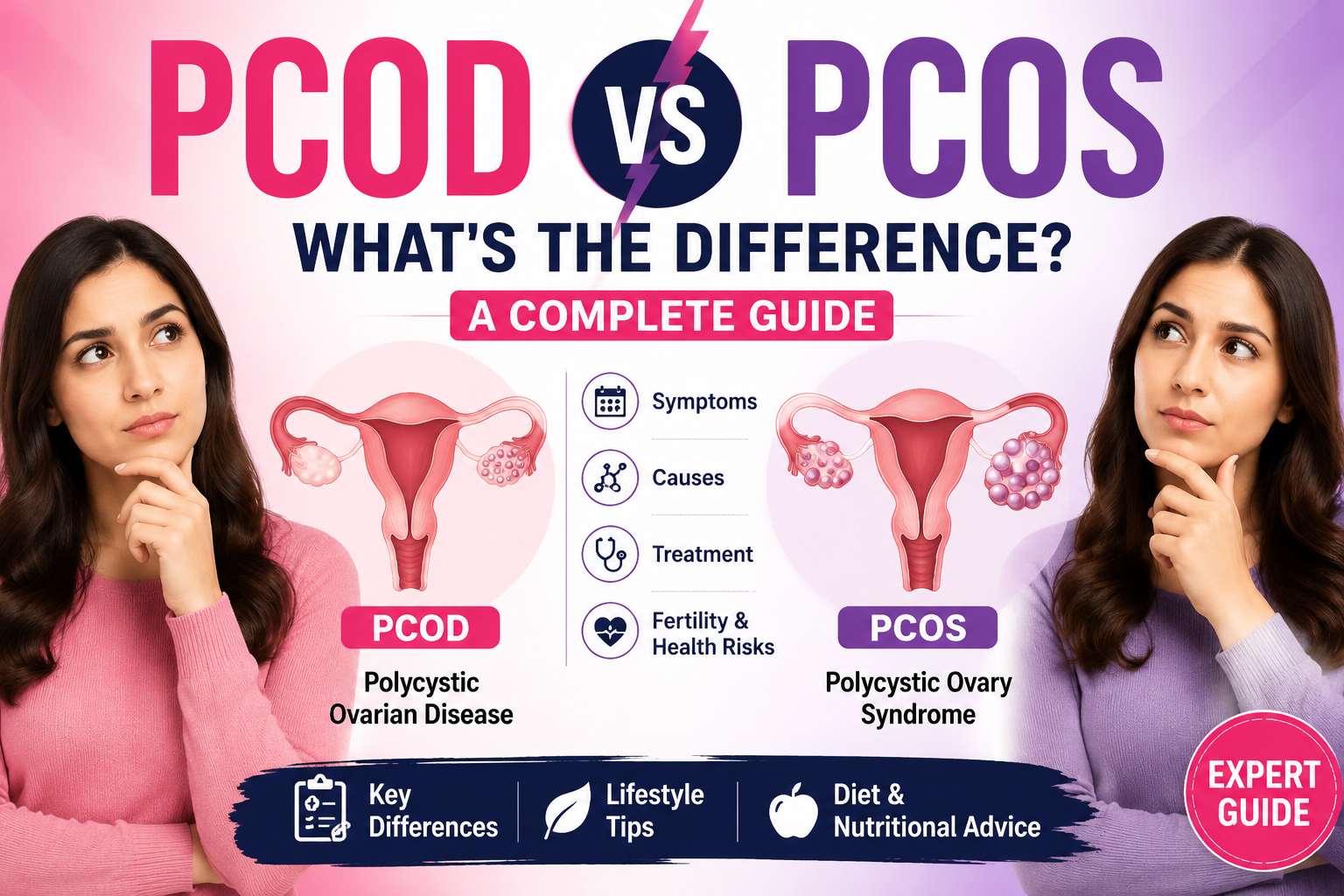
PCOD (Polycystic Ovary Disease) and PCOS (Polycystic Ovary Syndrome) are terms often used interchangeably, yet they describe related but distinct concepts. PCOS is a clinical syndrome diagnosed by a set of symptoms and criteria, while PCOD is a term frequently used in some regions to describe the same hormonal imbalance. Understanding the difference helps in seeking appropriate care, managing symptoms, and reducing long‑term health risks.
Key Differences
- Definition: PCOS is a defined medical syndrome diagnosed based on hormonal patterns and clinical features. PCOD is sometimes used to describe the condition in a broader, non-diagnostic sense.
- Diagnostic approach: PCOS requires assessment against established criteria (for example, hyperandrogenism, ovulatory dysfunction, and polycystic ovaries on ultrasound). PCOD may be described more descriptively by clinicians when a formal diagnosis is not yet made.
- Implications: A formal PCOS diagnosis carries guidance for monitoring metabolic risk, fertility planning, and long‑term health, whereas PCOD may reflect similar symptoms without a formal syndrome label.
Common Symptoms
- Irregular or absent menstrual periods
- Excess androgen signs such as hirsutism, acne, or thinning scalp hair
- Polycystic-appearing ovaries on ultrasound
- Weight gain or difficulty losing weight
- Insulin resistance, type 2 diabetes risk, or elevated fasting insulin
- Fatigue, mood changes, and fluctuations in energy
Note that not all individuals with PCOS or PCOD will have the same symptom pattern. A tailored approach is essential.
Causes and Risk Factors
- Hormonal imbalance: Elevated androgens disrupt normal ovulation and menstrual cycles.
- Insulin resistance: Many individuals with PCOS/PCOD have reduced insulin sensitivity, contributing to weight gain and metabolic concerns.
- Genetics: A family history of PCOS or related conditions can increase risk.
- Inflammation: Low‑grade inflammation may influence ovarian function.
- Lifestyle factors: Sedentary behavior and dietary choices can exacerbate symptoms, particularly weight management.
Diagnosis
- Medical history and physical examination
- Menstrual pattern assessment
- Blood tests to evaluate hormone levels, glucose tolerance, and lipid profile
- Pelvic ultrasound to observe ovarian morphology
- Exclusion of other conditions with similar symptoms
A diagnosis guides treatment decisions and helps address associated risks such as metabolic syndrome, sleep apnea, and fertility considerations.
Treatment and Management
- Lifestyle modification: A balanced diet, regular physical activity, and weight management can improve ovulation, insulin sensitivity, and overall well‑being.
- Menstrual regulation: Combined oral contraceptives or other hormonal therapies may stabilize cycles and reduce androgen symptoms.
- Fertility treatment: For those seeking pregnancy, ovulation induction agents or fertility‑focused protocols may be appropriate.
- Metabolic health: Metformin or other medications may be considered to improve insulin resistance, alongside dietary changes.
- Skin and hair management: Targeted skincare, anti‑androgen therapies, or cosmetic options can address acne and hair growth.
- Mental health: Support for mood changes and stress management supports overall quality of life.
Lifestyle and Long‑Term Considerations
- Regular screening for metabolic risk factors (glucose, lipids, blood pressure)
- Proactive weight management through sustainable dietary patterns and activity
- Adequate sleep and stress reduction strategies
- Consistent medical follow‑up to adjust treatment as life stages change (menstrual status, pregnancy plans, menopause)
When to Seek Medical Advice
- New or worsening irregular bleeding
- Rapid weight changes or symptoms suggesting metabolic concerns
- Difficulty conceiving after a year of trying (or sooner if older age applies)
- Persistent acne, excessive hair growth, or hair loss not responding to over‑the‑counter measures
Takeaway
PCOS represents a clinical syndrome with a defined diagnostic framework, while PCOD is a term often used to describe the broader symptom complex associated with hormonal imbalance. Both conditions share core features—ovulatory dysfunction and potential metabolic risks—but management hinges on a precise diagnosis and individualized care. Early lifestyle changes, regular medical monitoring, and appropriate treatments can significantly improve symptoms, fertility prospects, and long‑term health outcomes.