
 9560025568
 drbhavanasingla@gmail.com

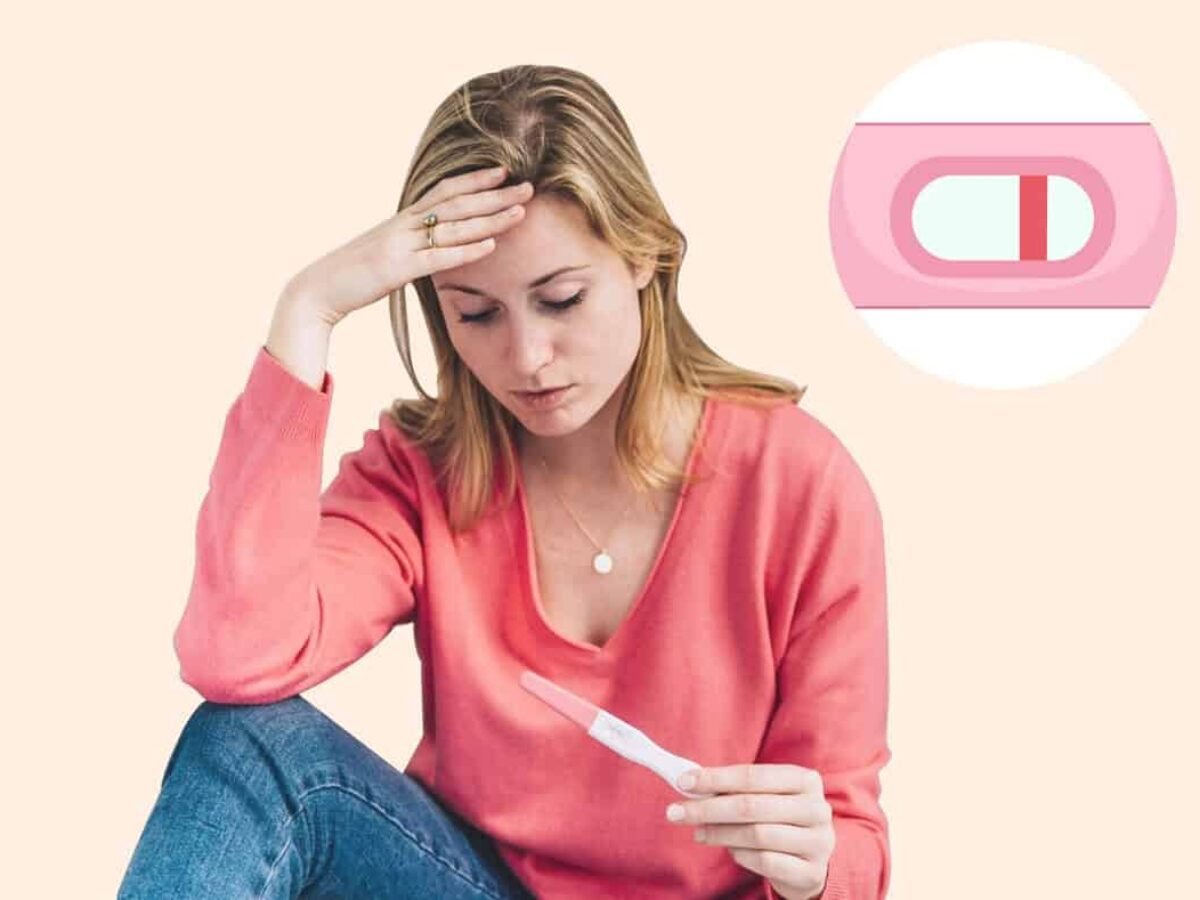
Trying to conceive can be an exciting journey, but it can also become stressful when pregnancy does not happen as expected. Many couples wonder, “Why am I not getting pregnant?” or “What should I do if I am unable to conceive?”
Not getting pregnant immediately does not necessarily mean you have a fertility problem. However, if you have been trying for several months without success, understanding the possible causes and seeking medical advice at the right time can help you plan your next steps.
Why Am I Not Getting Pregnant?
Pregnancy depends on several factors, including ovulation, sperm health, fallopian tube function and the health of the reproductive organs. Some common reasons for difficulty conceiving include:
1. Ovulation Problems: Irregular or absent ovulation can make conception difficult. Conditions such as PCOS may affect the regular release of eggs.
2. Age-Related Fertility Changes: Female fertility gradually changes with age. Women aged 35 and above may benefit from seeking fertility advice earlier.
3. Blocked Fallopian Tubes: Blocked or damaged fallopian tubes can prevent the sperm and egg from meeting naturally.
4. Male Fertility Problems: Low sperm count, reduced sperm movement or other sperm-related concerns can affect conception. Fertility evaluation should consider both partners.
5. Other Reproductive Conditions: Endometriosis, certain uterine conditions and unexplained infertility may also contribute to difficulty getting pregnant.
What Should You Do If You Are Unable to Conceive?
If pregnancy is not happening, the first step is to understand the possible reason rather than immediately assuming that IVF is necessary.
A fertility specialist may review your menstrual cycle, medical history, previous pregnancies and the length of time you have been trying to conceive. Depending on your situation, investigations may include:
- Ultrasound examination
- Assessment of ovulation
- Hormonal tests when indicated
- Evaluation of the fallopian tubes
- Semen analysis for your partner
These investigations help the doctor recommend an appropriate treatment plan based on your individual needs.
How Can You Improve Your Chances of Natural Pregnancy?
Some practical steps may support your chances of conception:
- Understand your fertile window: Having regular intercourse around ovulation can improve the chances of pregnancy.
- Maintain a healthy lifestyle: Eat a balanced diet, exercise regularly and aim for a healthy body weight.
- Avoid smoking and recreational drugs: These can negatively affect reproductive health.
- Take folic acid: Discuss the recommended supplementation with your healthcare provider when planning pregnancy.
- Manage existing health conditions: Seek medical advice for irregular periods, PCOS or other reproductive concerns.
These steps can support reproductive health, but they cannot resolve every cause of infertility. Medical assessment may still be necessary.
When Should You Consult a Fertility Specialist?
The recommended time to seek an evaluation depends on your age and medical history.
- Women under 35 should generally seek evaluation after 12 months of trying without pregnancy.
- Women aged 35 or older should generally seek evaluation after six months.
- Women over 40 may benefit from more immediate assessment.
- Seek advice earlier if you have irregular or absent periods, known reproductive conditions, previous pelvic surgery or a suspected male fertility problem.
Does Difficulty Conceiving Mean You Need IVF?
No. IVF is only one of several available fertility treatments. Depending on the cause, treatment may include ovulation management, addressing an underlying condition, intrauterine insemination (IUI), IVF or intracytoplasmic sperm injection (ICSI).
The most suitable option depends on the couple’s age, test results, fertility history and individual circumstances. A specialist can explain the benefits, limitations and suitability of each approach.
Consult Dr. Bhavana Singla for Fertility Guidance
If you have been trying to conceive without success, you do not have to navigate the process alone. Dr. Bhavana Singla, Fertility & IVF Specialist and Gynaecologist in Moti Nagar, Delhi, provides consultations for fertility evaluation and reproductive health concerns.
An appropriate assessment can help identify possible reasons for difficulty conceiving and guide you towards suitable next steps.
Book a fertility consultation to discuss your concerns and understand the options available to you.
Frequently Asked Questions
How long should I try before seeing a fertility specialist?
Generally, seek an evaluation after 12 months if you are under 35, or after six months if you are 35 or older. Earlier assessment may be appropriate in certain circumstances.
Can irregular periods affect pregnancy?
Yes. Irregular periods can sometimes indicate ovulation problems that may affect conception.
Is IVF always necessary if I cannot conceive?
No. Treatment depends on the underlying cause. Some couples may benefit from other treatments or may continue trying naturally with appropriate medical guidance.
Can male fertility problems prevent pregnancy?
Yes. Male fertility factors can contribute to difficulty conceiving, which is why evaluating both partners is important.